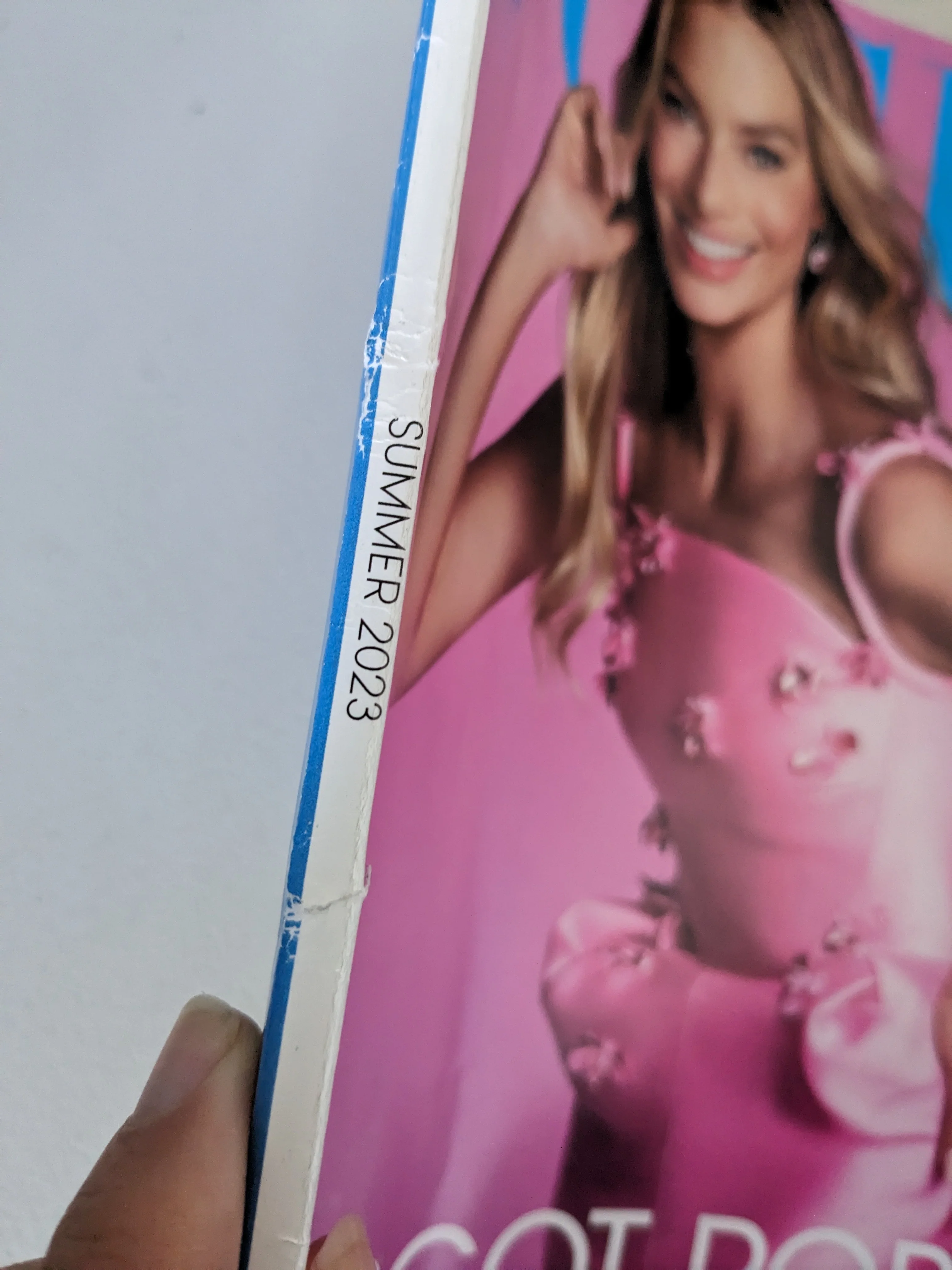
Sight & Sound magazine September 2023 MARGOT ROBBIE - BARBIE Cillian Murphy
“You could get whiplash reading the trades as this issue went to press. One column announced that the simultaneous release of Barbie and Oppenheimer resulted in record-breaking revenues, chalking up the fourth-biggest box-office weekend ever. Other stories documented the shuttering of film sets and studios pulling their most anticipated films from the theatrical schedules. Just when audiences had remembered why they loved going to the pictures, the coming attractions were beginning to vanish.” So writes Pamela Hutchinson in her insightful opening story on Sag-Aftra and WAG’s strikes.
We decide to have our cake and eat it, devoting this issue to both of the summer’s biggest stories. In her cover feature, Hannah McGill argues that Greta Gerwig’s Barbie is a sharp, funny film with a lot to say about feminism and patriarchy. Completing the ‘Barbenheimer’ double bill is physicist George Iskander, who grapples with Oppenheimer’s legacy and the questions raised by Christopher Nolan’s film of the same name. Meanwhile, alongside Hutchinson’s exploration of the strikes is Dominic Lees on acting in the age of AI; he speaks to leading industry figures, including actor and producer Natasha Lyonne.
Elsewhere in a packed issue: Thomas Flew reports from the set of Yorgos Lanthimos’s most visually extravagent film yet, Poor Things; Maria Delgado takes a trip to the movies with Pedro Almodóvar; David Thomson explores the cinematic legacy of Cormac McCarthy; and a new series of recollections by the late BFI film archivist David Meeker recalls an encounter with Stanley Kubrick.
Product Information
Product Information
Shipping & Returns
Shipping & Returns


Sight & Sound magazine September 2023 MARGOT ROBBIE - BARBIE Cillian Murphy
Sight & Sound magazine September 2023 MARGOT ROBBIE - BARBIE Cillian Murphy
“You could get whiplash reading the trades as this issue went to press. One column announced that the simultaneous release of Barbie and Oppenheimer resulted in record-breaking revenues, chalking up the fourth-biggest box-office weekend ever. Other stories documented the shuttering of film sets and studios pulling their most anticipated films from the theatrical schedules. Just when audiences had remembered why they loved going to the pictures, the coming attractions were beginning to vanish.” So writes Pamela Hutchinson in her insightful opening story on Sag-Aftra and WAG’s strikes.
We decide to have our cake and eat it, devoting this issue to both of the summer’s biggest stories. In her cover feature, Hannah McGill argues that Greta Gerwig’s Barbie is a sharp, funny film with a lot to say about feminism and patriarchy. Completing the ‘Barbenheimer’ double bill is physicist George Iskander, who grapples with Oppenheimer’s legacy and the questions raised by Christopher Nolan’s film of the same name. Meanwhile, alongside Hutchinson’s exploration of the strikes is Dominic Lees on acting in the age of AI; he speaks to leading industry figures, including actor and producer Natasha Lyonne.
Elsewhere in a packed issue: Thomas Flew reports from the set of Yorgos Lanthimos’s most visually extravagent film yet, Poor Things; Maria Delgado takes a trip to the movies with Pedro Almodóvar; David Thomson explores the cinematic legacy of Cormac McCarthy; and a new series of recollections by the late BFI film archivist David Meeker recalls an encounter with Stanley Kubrick.
Original: $2,660.58
-70%$2,660.58
$798.17Product Information
Product Information
Shipping & Returns
Shipping & Returns
Description
“You could get whiplash reading the trades as this issue went to press. One column announced that the simultaneous release of Barbie and Oppenheimer resulted in record-breaking revenues, chalking up the fourth-biggest box-office weekend ever. Other stories documented the shuttering of film sets and studios pulling their most anticipated films from the theatrical schedules. Just when audiences had remembered why they loved going to the pictures, the coming attractions were beginning to vanish.” So writes Pamela Hutchinson in her insightful opening story on Sag-Aftra and WAG’s strikes.
We decide to have our cake and eat it, devoting this issue to both of the summer’s biggest stories. In her cover feature, Hannah McGill argues that Greta Gerwig’s Barbie is a sharp, funny film with a lot to say about feminism and patriarchy. Completing the ‘Barbenheimer’ double bill is physicist George Iskander, who grapples with Oppenheimer’s legacy and the questions raised by Christopher Nolan’s film of the same name. Meanwhile, alongside Hutchinson’s exploration of the strikes is Dominic Lees on acting in the age of AI; he speaks to leading industry figures, including actor and producer Natasha Lyonne.
Elsewhere in a packed issue: Thomas Flew reports from the set of Yorgos Lanthimos’s most visually extravagent film yet, Poor Things; Maria Delgado takes a trip to the movies with Pedro Almodóvar; David Thomson explores the cinematic legacy of Cormac McCarthy; and a new series of recollections by the late BFI film archivist David Meeker recalls an encounter with Stanley Kubrick.